



 Telephone : 400-123-4567
Blogpost keywords: pendant lamp brass, antique brass pendant light, brass pendant lighting wholesale
When sourcing pendant lamp brass, buyers are not simply choosing a color. They are deciding how a finish will perform across production batches, shipping cycles, and real-world installations. Brass introduces warmth and perceived value, but it also reveals inconsistencies faster than matte black or white. Small tone shifts, uneven sheen, or unstable joints can quickly turn a promising item into a return risk.
This guide focuses on how brass pendants are structured, finished, and supplied, helping buyers evaluate products beyond surface appearance and build sourcing decisions that remain reliable over time.
Why Pendant Lamp Brass Remains Relevant Across Markets
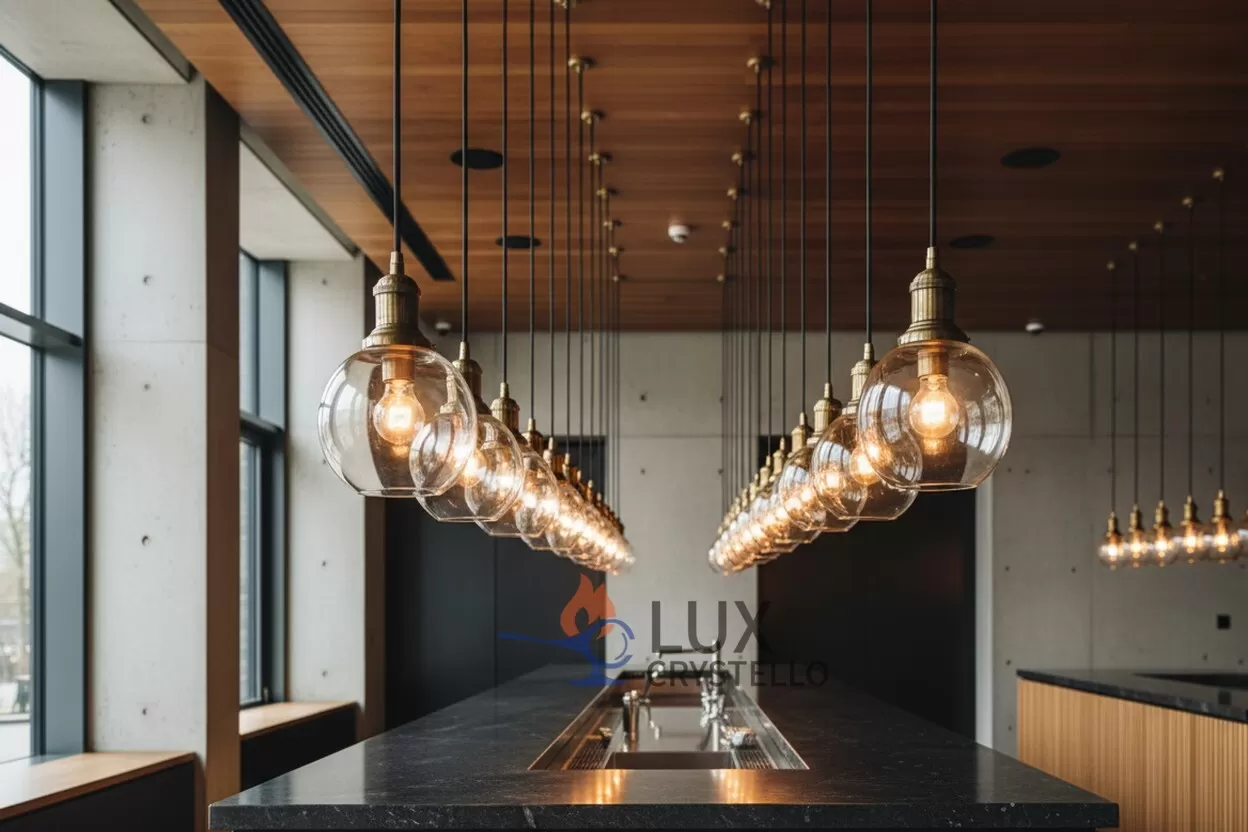
The appeal of pendant lamp brass lies in familiarity without monotony. In residential settings, an antique brass pendant light often reads softer and more forgiving than high-polish finishes, especially under warm LED illumination. The surface absorbs light gently rather than reflecting harsh highlights.
In commercial interiors, brass integrates easily with stone, wood, and darker metals, allowing designers to specify it across restaurants, hotels, and retail environments without constant material conflict. For distributors, brass pendants also age well in catalogs. While silhouettes evolve, the finish itself remains commercially viable, allowing buyers to refresh glass or proportions instead of replacing entire finish families each season.
Material Structure Behind the Brass Appearance
Not all brass pendants share the same internal structure. Some rely on solid brass components for visual weight, while others use steel or aluminum bodies with surface treatments. In brass pendant lighting wholesale programs, structural consistency often matters more than material purity.
Successful sourcing strategies focus on clarity:
-Which components carry load
-How the lampholder and canopy are fixed
-Whether the brass finish is applied before or after assembly
Well-controlled plated or coated structures often deliver more stable color outcomes and better cost control than mixed-material builds. For buyers working with repeat orders, this predictability supports long-term sales planning.
Finish Techniques That Affect Long-Term Performance
Brass appearance depends heavily on finishing method. Electroplating can produce rich tones but may vary if surface preparation shifts between batches. For repeatable collections, many suppliers recommend PVD coatings, particularly for antique brass pendant light programs where tonal stability is critical.
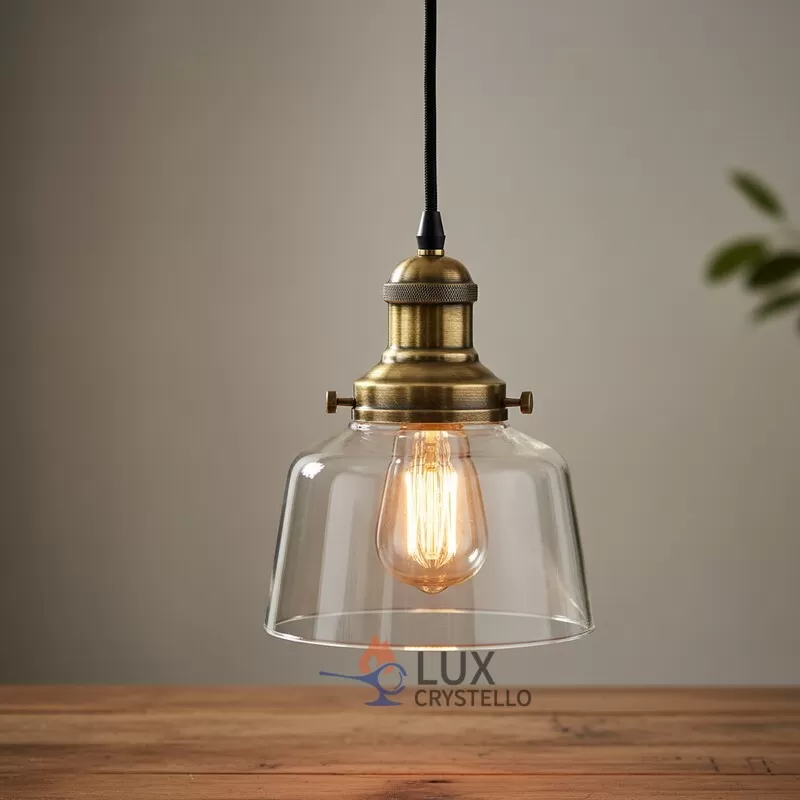
Protective top coatings also influence durability. Thin coatings wear quickly, while overly thick layers reduce the natural metallic feel. Buyers sourcing pendant lamp brass should always evaluate samples under the same color temperature used in real projects, as brass reacts noticeably to warm versus neutral lighting.
Quality Stability Across Repeat Orders
The true test of brass pendant lighting wholesale sourcing is consistency beyond the first shipment. Stable programs typically demonstrate:
Matching finish tone across batches
Secure canopy fittings and strain relief
Clean thread engagement and aligned joints
Reference samples, pre-shipment inspections, and documented finish standards help prevent disputes. On the compliance side, readiness aligned with common CE or UL concepts—especially wiring insulation and grounding—supports safer installations and protects downstream brands.
Customization Without Supply Chain Complexity
Customization works best when it is controlled. Rather than creating new SKUs, many buyers adapt a single pendant lamp brass body with different glass shapes or cord lengths. This approach suits project buyers who want variation without introducing tooling risk.
An antique brass pendant light can present very differently when paired with clear glass versus opal glass. Some suppliers also allow branding through packaging or minor hardware adjustments, maintaining flexibility while keeping MOQs manageable.
Packaging, Shipping, and Handling Considerations
Brass surfaces are sensitive to friction. During container transport, insufficient protection can lead to surface marking even when cartons remain intact. For brass pendant lighting wholesale orders, buyers should confirm:
Individual wrapping and foam separation
Stable carton structures
Isolated or double-boxed glass components
Including spare mounting hardware often reduces after-sales claims and installer frustration. These decisions may not affect showroom appearance, but they strongly influence landed quality and distributor confidence.
Conclusion
Pendant lamp brass sourcing succeeds when finish control, structural design, and packaging discipline are aligned. Buyers who prioritize repeatability over short-term appearance gain more stable collections, fewer disputes, and longer product lifecycles.
Build a Stable Brass Pendant Program
For buyers planning a scalable supply line, a controlled approach typically performs best: confirm an approval sample, lock finish benchmarks, document packing notes, and replicate the same checks for every reorder. Whether you need OEM adjustments for glass, cord length, and packaging presentation, or prefer in-stock options for faster turnover, a stable process is the foundation for reliable sell-through and smoother after-sales outcomes.
400-123-4567
138-0000-0000