



 Telephone : 400-123-4567
Handcrafted brass lighting production is often the difference between a fixture that looks elegant in photos and one that performs consistently in real spaces. When the frame is brass and the shade is crystal glass, small variations in fit, finish, and alignment can change stability, glare comfort, and how the light interacts with surrounding materials.
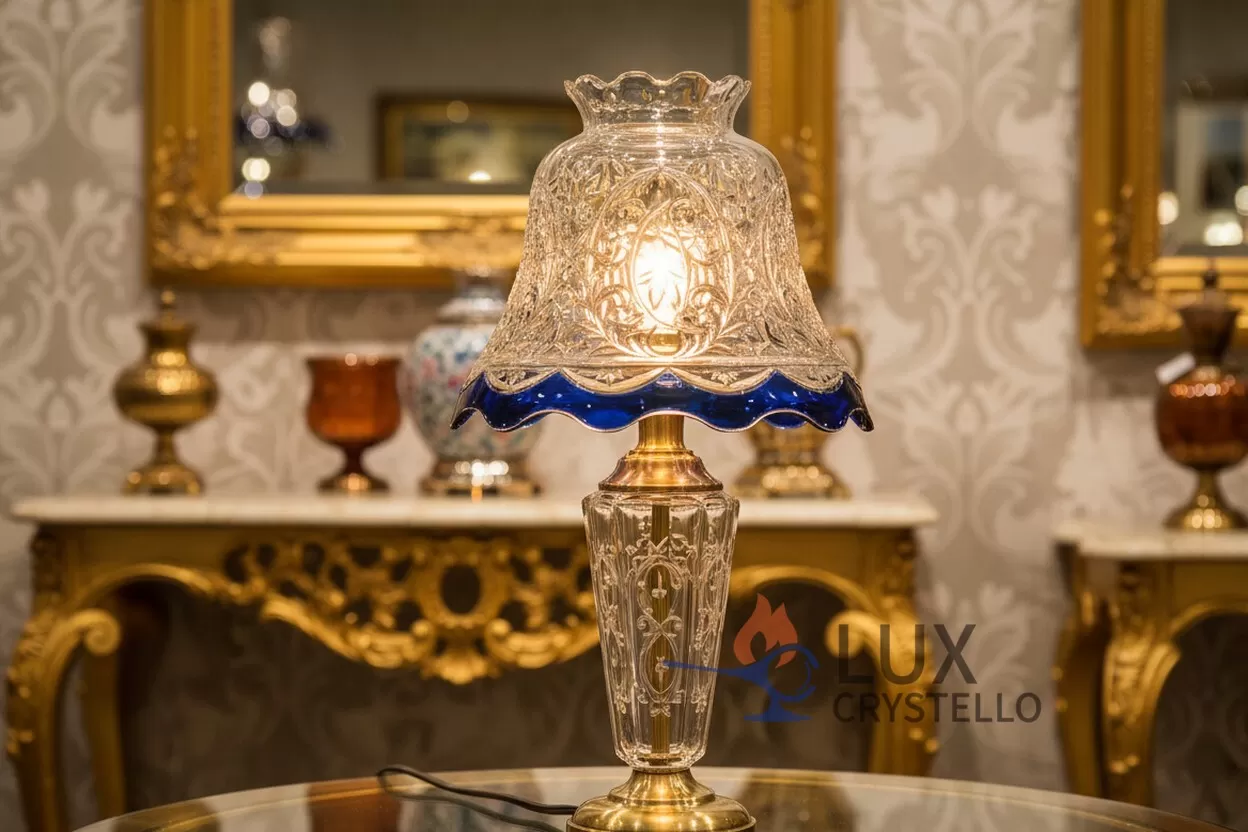
A reliable fixture starts with structure, not decoration. In handcrafted brass lighting production, makers typically plan load paths, mounting points, and arm spacing before surface details are finalized. Brass has real weight and visual presence, so the frame must remain balanced once crystal glass is installed. If the frame is slightly off-axis, the issue becomes obvious on the ceiling or wall, especially when reflections amplify imperfections.
This is where lighting quality inspection begins early. Measuring symmetry, verifying joint angles, and checking mounting tolerances at the subassembly stage helps prevent costly rework later. For multi-unit projects, repeatable checks are often more important than adding more ornamental details.
Brass fabrication usually involves cutting, bending, brazing, and careful joint preparation. Clean joints do not only look better, they reduce long-term movement that can loosen fasteners. In handcrafted brass lighting production, surface readiness is treated as part of performance because uneven polishing can create patchy reflections once the fixture is lit.
A common misconception is that a brighter brass finish always signals higher quality. In practice, the best finish is the one that matches the environment and expected maintenance. A softer brushed surface can hide micro-scratches and fingerprints, while a high polish can enhance sparkle but demands more careful handling. Lighting quality inspection often includes evaluating finish consistency under strong light, because workshop lighting can hide defects that appear after installation.
Crystal glass is not a passive accessory. Crystal glass shade design affects diffusion, highlight control, and perceived warmth. Thickness consistency, edge treatment, and internal geometry influence whether light feels smooth or produces hotspots. This is why crystal glass shade design should be planned alongside the brass frame, not chosen at the end as a decorative add-on.
In handcrafted brass lighting production, glass fitting is typically tested repeatedly. The brass seat should support the crystal glass without stress points, and the shade should align cleanly so reflections look intentional. Lighting quality inspection here includes checking for micro-chips at edges, verifying seating stability, and confirming that the shade sits evenly without twisting.
Electrical layout should be integrated into the brass structure so wiring remains visually quiet. Heat planning matters because prolonged heat can affect coatings on brass and reduce long-term clarity on crystal glass surfaces. Crystal glass shade design also influences airflow around the bulb area, which can change temperature behavior.
Before shipping, lighting quality inspection is most meaningful when the fixture is powered on. Makers evaluate wobble, glare patterns, and reflection consistency. This step frequently reveals whether handcrafted brass lighting production maintained tight tolerances throughout assembly, because light can exaggerate small misalignments that are hard to see when unlit.
Handcrafted brass lighting production creates reliable performance when brass structure, crystal glass shade design, and lighting quality inspection work as one system. When process discipline is consistent from fitting to powered testing, the result is stable installation, comfortable diffusion, and finishes that hold up in daily use.
If you are sourcing fixtures with a brass frame and a crystal glass shade, ask how handcrafted brass lighting production verifies symmetry, seating fit, and powered performance. Clear answers about crystal glass shade design and lighting quality inspection usually indicate better long-term consistency across single pieces or full project quantities.
Excellent handcrafted brass lighting production combines superior craftsmanship, attention to detail, and functional design to create an exceptional experience.
To enhance your lighting quality inspection, focus on quality materials, proper maintenance, and complementary accessories that match your style.
Key considerations include material quality, design aesthetics, functional performance, and overall durability when evaluating crystal glass shade design.
If you are interested in French lamps or bronze art or have related needs,
please feel free to contact us. click here
400-123-4567
138-0000-0000