
luxcrystelloTelephone : 400-123-4567

How brass lighting surface treatment Shapes High-End French Fixtures

Blogpost keywords: brass lighting surface treatment, polished brass, metallic luster

brass lighting surface treatment determines how a fixture looks, feels, and ages, especially in French inspired interiors where metal is meant to read as art rather than hardware. When the finish is specified with the same care as proportions and silhouette, brass becomes a quiet statement of craftsmanship that supports the whole room.
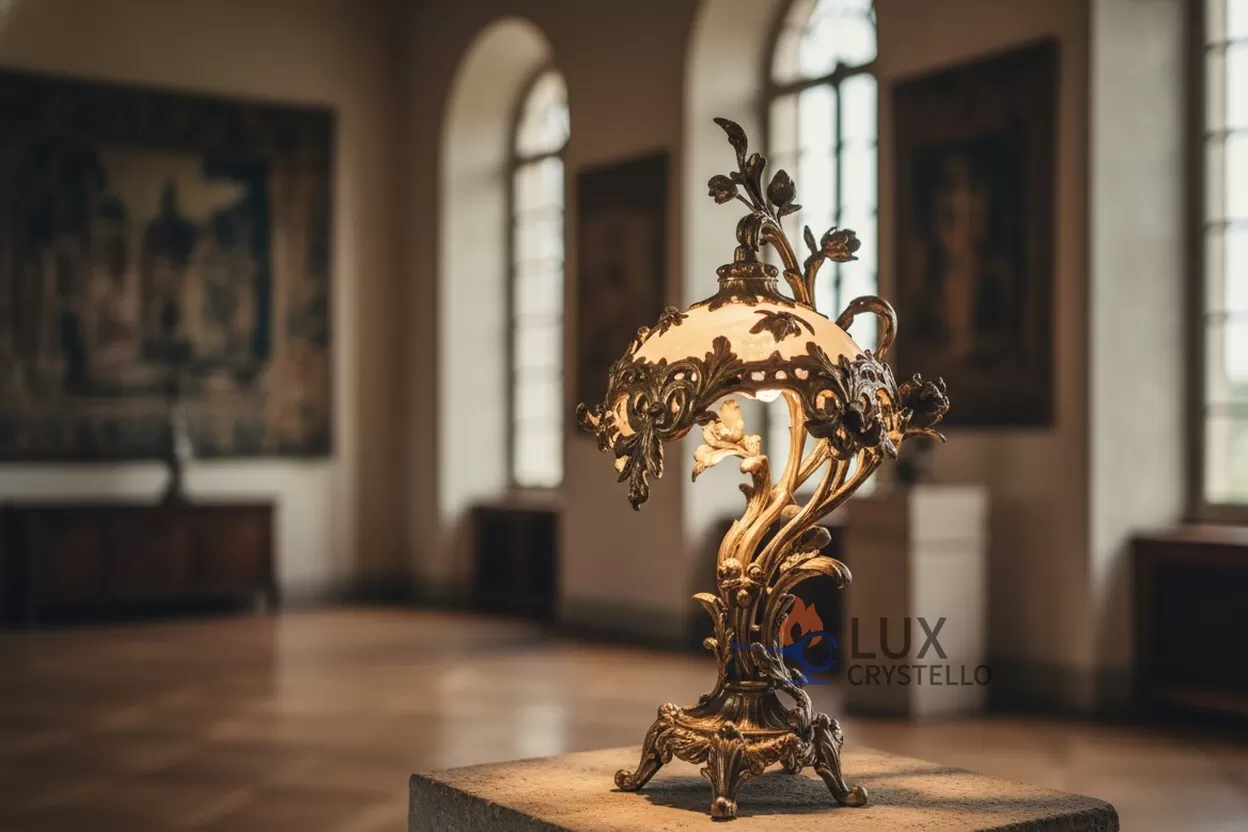

brass lighting surface treatment.jpg

brass lighting surface treatment as a Finish System, Not a Final Step

In premium fabrication, brass lighting surface treatment is not a single action at the end of production. It is a controlled sequence that starts with alloy selection and surface preparation, then moves through polishing, brushing, sealing, and optional patination. Each step changes reflectivity, tone, and how the surface reacts to touch and air.


Designers often request polished brass for its bright, mirror-like presence, but the visual result depends on what sits beneath the shine. If base sanding is inconsistent, the reflection will reveal ripples and micro scratches under certain angles. A reliable process builds uniformity before any high gloss stage.

Polishing Choices and What They Really Do

Polishing is not one universal finish. For polished brass, workshops typically choose between softer compound polishing for a gentler glow or more aggressive buffing for a sharper reflection. The second approach can deliver a striking look, yet it may also amplify fingerprints and fine marks during installation.


A practical misconception is that higher gloss automatically signals higher quality. In reality, the most convincing luxury pieces balance reflection with depth. When you view the piece from different distances, the metal should stay calm rather than glittery. That restraint is part of why polished brass remains so compatible with classic French detailing.

Protecting Metallic Luster Over Time

The main technical challenge is keeping metallic luster stable in real rooms. Heat from bulbs, humidity from kitchens, and oils from hands can shift color or create uneven spotting if protection is minimal. Clear coating, microcrystalline wax, or lacquer systems are commonly used, but each has tradeoffs in repairability and sheen.


A useful site tip is to define touch zones during design. If a sconce has a large area that installers must grip, consider a subtly brushed band or a discreet handling point. That small change can preserve metallic luster without changing the overall look.

Surface Texture, Patina, and Visual Hierarchy

Not every project benefits from full gloss. Pairing polished brass accents with lightly brushed planes can create a layered effect that feels more artisanal. In French inspired settings, that variation reads as intentional craft rather than mixed materials.

brass lighting surface treatment also affects how patina develops. Even when a piece is sealed, edges and high points may gradually shift, which can be desirable if the goal is a lived-in elegance. The key is predictability. A controlled finish plan ensures aging feels even and consistent, not random.

Specification Checklist for Project Teams

To avoid surprises, specify brass lighting surface treatment with clear, testable language. Request physical finish samples, define gloss level by reference, and confirm whether the target is polished brass with protective lacquer or a waxed finish meant for periodic maintenance. For hospitality projects, ask how metallic luster performs under frequent cleaning and what touch-up method is approved.


If the fixture is custom, align the finish with the room palette under the same lighting temperature that will be installed. That step prevents a warm room from turning brass overly yellow or making polished brass look cold.

Conclusion

brass lighting surface treatment is a craft discipline that shapes reflection, durability, and the long term character of metal in refined interiors. With the right preparation, polished brass can stay elegant, and metallic luster can remain controlled rather than fragile.

A Thoughtful Way to Choose the Right Finish

If you are planning custom pieces, treat brass lighting surface treatment as part of the design language from the start. Sampling options in context helps match polished brass to your materials and protects metallic luster in day to day use without compromising a French, gallery-like atmosphere.

FAQ

What makes brass lighting surface treatment unique?

Excellent brass lighting surface treatment combines superior craftsmanship, attention to detail, and functional design to create an exceptional experience.

How can I enhance my metallic luster?

To enhance your metallic luster, focus on quality materials, proper maintenance, and complementary accessories that match your style.

What are the key considerations for polished brass?

Key considerations include material quality, design aesthetics, functional performance, and overall durability when evaluating polished brass.

If you are interested in French lamps or bronze art or have related needs,
please feel free to contact us. click here

Contact Our Design Team


Telephone

400-123-4567
138-0000-0000

We use cookie to improve your online experience. By continuing to browse this website, you agree to our use of cookie.

Cookies

Please read our Terms and Conditions and this Policy before accessing or using our Services. If you cannot agree with this Policy or the Terms and Conditions, please do not access or use our Services. If you are located in a jurisdiction outside the European Economic Area, by using our Services, you accept the Terms and Conditions and accept our privacy practices described in this Policy.
We may modify this Policy at any time, without prior notice, and changes may apply to any Personal Information we already hold about you, as well as any new Personal Information collected after the Policy is modified. If we make changes, we will notify you by revising the date at the top of this Policy. We will provide you with advanced notice if we make any material changes to how we collect, use or disclose your Personal Information that impact your rights under this Policy. If you are located in a jurisdiction other than the European Economic Area, the United Kingdom or Switzerland (collectively “European Countries”), your continued access or use of our Services after receiving the notice of changes, constitutes your acknowledgement that you accept the updated Policy. In addition, we may provide you with real time disclosures or additional information about the Personal Information handling practices of specific parts of our Services. Such notices may supplement this Policy or provide you with additional choices about how we process your Personal Information.


Cookies

Cookies are small text files stored on your device when you access most Websites on the internet or open certain emails. Among other things, Cookies allow a Website to recognize your device and remember if you've been to the Website before. Examples of information collected by Cookies include your browser type and the address of the Website from which you arrived at our Website as well as IP address and clickstream behavior (that is the pages you view and the links you click).We use the term cookie to refer to Cookies and technologies that perform a similar function to Cookies (e.g., tags, pixels, web beacons, etc.). Cookies can be read by the originating Website on each subsequent visit and by any other Website that recognizes the cookie. The Website uses Cookies in order to make the Website easier to use, to support a better user experience, including the provision of information and functionality to you, as well as to provide us with information about how the Website is used so that we can make sure it is as up to date, relevant, and error free as we can. Cookies on the Website We use Cookies to personalize your experience when you visit the Site, uniquely identify your computer for security purposes, and enable us and our third-party service providers to serve ads on our behalf across the internet.

We classify Cookies in the following categories:
 ●  Strictly Necessary Cookies
 ●  Performance Cookies
 ●  Functional Cookies
 ●  Targeting Cookies


Cookie List
A cookie is a small piece of data (text file) that a website – when visited by a user – asks your browser to store on your device in order to remember information about you, such as your language preference or login information. Those cookies are set by us and called first-party cookies. We also use third-party cookies – which are cookies from a domain different than the domain of the website you are visiting – for our advertising and marketing efforts. More specifically, we use cookies and other tracking technologies for the following purposes:

Strictly Necessary Cookies
These cookies are necessary for the website to function and cannot be switched off in our systems. They are usually only set in response to actions made by you which amount to a request for services, such as setting your privacy preferences, logging in or filling in forms. You can set your browser to block or alert you about these cookies, but some parts of the site will not then work. These cookies do not store any personally identifiable information.

Functional Cookies
These cookies enable the website to provide enhanced functionality and personalisation. They may be set by us or by third party providers whose services we have added to our pages. If you do not allow these cookies then some or all of these services may not function properly.

Performance Cookies
These cookies allow us to count visits and traffic sources so we can measure and improve the performance of our site. They help us to know which pages are the most and least popular and see how visitors move around the site. All information these cookies collect is aggregated and therefore anonymous. If you do not allow these cookies we will not know when you have visited our site, and will not be able to monitor its performance.

Targeting Cookies
These cookies may be set through our site by our advertising partners. They may be used by those companies to build a profile of your interests and show you relevant adverts on other sites. They do not store directly personal information, but are based on uniquely identifying your browser and internet device. If you do not allow these cookies, you will experience less targeted advertising.

How To Turn Off Cookies
You can choose to restrict or block Cookies through your browser settings at any time. Please note that certain Cookies may be set as soon as you visit the Website, but you can remove them using your browser settings. However, please be aware that restricting or blocking Cookies set on the Website may impact the functionality or performance of the Website or prevent you from using certain services provided through the Website. It will also affect our ability to update the Website to cater for user preferences and improve performance. Cookies within Mobile Applications

We only use Strictly Necessary Cookies on our mobile applications. These Cookies are critical to the functionality of our applications, so if you block or delete these Cookies you may not be able to use the application. These Cookies are not shared with any other application on your mobile device. We never use the Cookies from the mobile application to store personal information about you.

If you have questions or concerns regarding any information in this Privacy Policy, please contact us by email at . You can also contact us via our customer service at our Site.