



 Telephone : 400-123-4567
Blogpost keywords: brass lamp investment casting, lost wax casting, brass forming process
A brass lamp investment casting approach places craftsmanship at the center of lighting production, prioritizing precision, material integrity, and surface refinement over rapid output. In professional lighting workshops, this method is valued for its ability to translate detailed design intent into durable brass components. From the first mold to the final finish, investment casting supports consistency while preserving subtle artistic expression that simpler forming methods often cannot achieve.
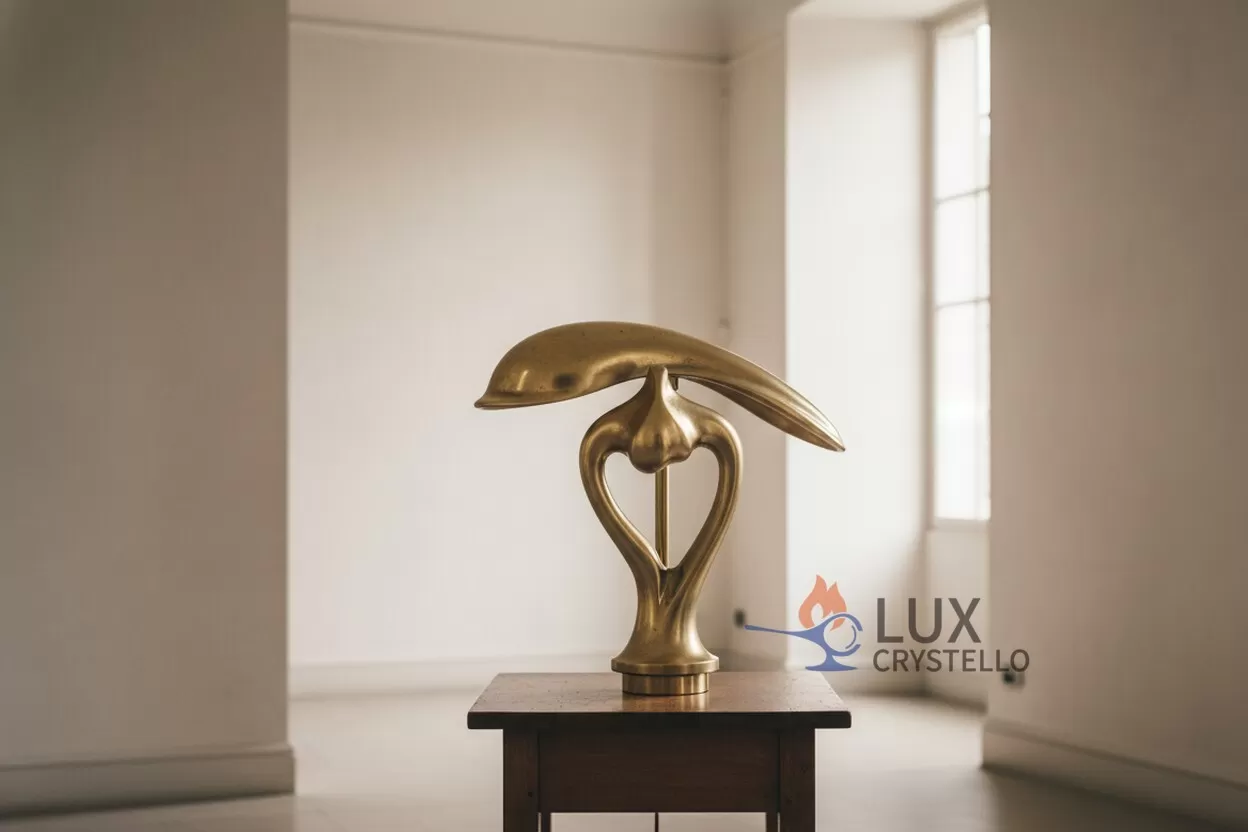
How Brass Lamp Investment Casting Preserves Design Integrity
The core advantage of brass lamp investment casting lies in its compatibility with complex geometries. Using lost wax casting, artisans begin with a wax model that reflects the exact proportions of the final lamp component. This model is encased, melted away, and replaced with molten brass, allowing fine contours and controlled thickness to emerge naturally.
Unlike mechanical stamping, lost wax casting enables gradual transitions and smooth junctions between arms, stems, and decorative elements. This process reduces internal stress points and supports structural balance. As a result, brass components produced through this method maintain dimensional stability over long periods of use.
Within the broader brass forming process, investment casting serves as a primary shaping stage rather than a corrective one. Components require less aggressive machining afterward, preserving material density and minimizing unnecessary surface disruption.
Material Control and Surface Refinement
A carefully managed brass forming process depends on predictable metal flow and cooling behavior. In brass lamp investment casting, temperature regulation is essential. Molten brass must fill the mold evenly to prevent voids or weak sections. When executed correctly, the outcome is a dense structure with consistent grain distribution.
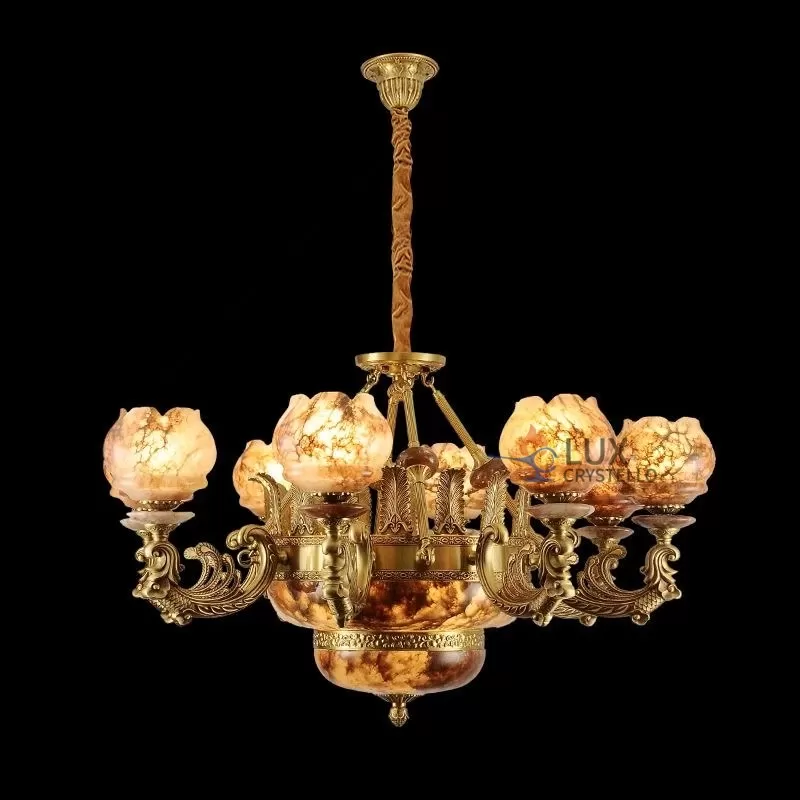
Lost wax casting also supports refined surface quality. The mold captures minute details from the wax model, reducing the need for heavy polishing. Light finishing work enhances the natural luster of brass rather than reshaping it. This restraint is often associated with higher end lighting pieces, where material authenticity is preferred over excessive surface treatment.
As part of a disciplined brass forming process, artisans evaluate each cast piece individually. Minor adjustments are performed by hand, ensuring alignment and balance without altering the original form.
Common Misconceptions About Casting Methods
One frequent misunderstanding is that all casting produces uniform results regardless of technique. In reality, brass lamp investment casting differs significantly from sand or die casting in both resolution and reliability. Lost wax casting demands more time and manual oversight, but it yields components with superior detail retention and fewer structural compromises.
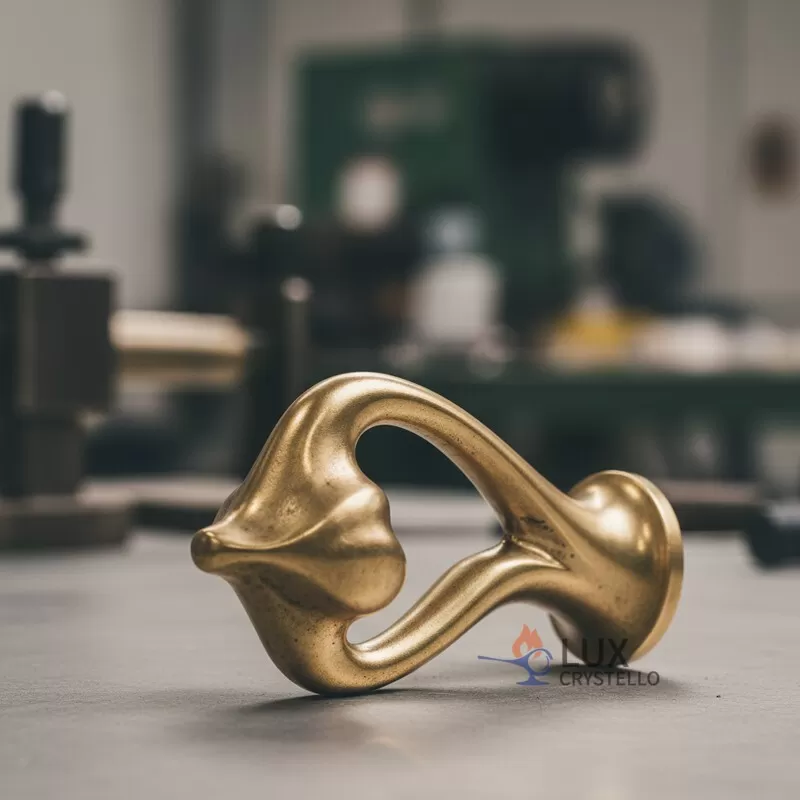
Another misconception is that casting limits creative freedom. In practice, the opposite is true. Because the brass forming process accommodates intricate wax models, designers are free to explore refined profiles without sacrificing feasibility. This flexibility explains why investment casting remains relevant in contemporary decorative lighting.
Conclusion
A brass lamp investment casting method reflects a commitment to precision and material respect. Through lost wax casting and a controlled brass forming process, each component achieves structural clarity and refined detail. This approach favors longevity and design integrity, aligning with environments where craftsmanship is valued as much as visual presence.
Extending Craft Through Thoughtful Selection
When evaluating a brass lamp investment casting piece, attention to surface continuity, weight balance, and junction quality offers insight into its production discipline. Understanding how lost wax casting integrates within the brass forming process can help guide selections toward lighting that emphasizes enduring craft rather than short term appeal.
400-123-4567
138-0000-0000