
luxcrystelloTelephone : 400-123-4567

Brass Cleaning: The Definitive Guide and Mistakes to Avoid

Blogpost Keywords: brass cleaning, how to clean brass lamps, lighting maintenance

Brass cleaning plays a critical role in preserving the visual integrity and performance of decorative lighting used in residential and commercial interiors. Brass is valued for its warmth, depth, and ability to age gracefully, but without proper care, surface oxidation, uneven patina, and residue buildup can reduce both appearance and lifespan. In professional lighting projects, cleaning is not only about aesthetics, but also about material respect and long-term functionality.


brass cleaning.jpg

Brass Cleaning in Decorative and Architectural Lighting Applications


In decorative lighting, brass cleaning must be aligned with how fixtures are used, installed, and exposed to environmental factors. Wall lamps, pendants, and chandeliers are often placed near heat sources, kitchens, or humid zones, which accelerates surface changes. Unlike mass-produced plated metals, solid brass reacts continuously with air and touch.

A common mistake is treating brass like stainless steel or aluminum. Abrasive pads or aggressive chemicals can permanently alter the surface, leaving uneven color or micro-scratches. Understanding how to clean brass lamps starts with recognizing whether the brass is lacquered, waxed, or left raw. Each finish responds differently, and incorrect cleaning can remove intentional patina that designers may want to preserve.

From a lighting maintenance perspective, scheduled light cleaning is more effective than infrequent deep treatment. Dust and airborne oils attract moisture, which speeds up oxidation. Gentle, regular care helps maintain consistency across fixtures in larger lighting schemes.

Common Misconceptions About Brass Surface Care


One widespread misconception is that brighter always means better. In many high-end interiors, aged brass is intentionally specified for its muted tone. Over-polishing can erase this character. Another error is relying on generic household cleaners. These products often contain acids or ammonia that react unpredictably with copper alloys.


how to clean brass lamps.jpg

Professionals who understand how to clean brass lamps typically test any method on a concealed area first. This practice minimizes risk and ensures visual consistency. It also aligns with responsible lighting maintenance strategies in hospitality, retail, and residential projects.

Practical Cleaning Guidance for Long-Term Use


Effective brass cleaning begins with dry dust removal using a soft cloth or brush. For light oxidation, warm water and mild soap are often sufficient. The surface should be dried immediately to avoid water marks. For deeper cleaning, specialized brass-safe solutions can be used sparingly, followed by neutral rinsing.
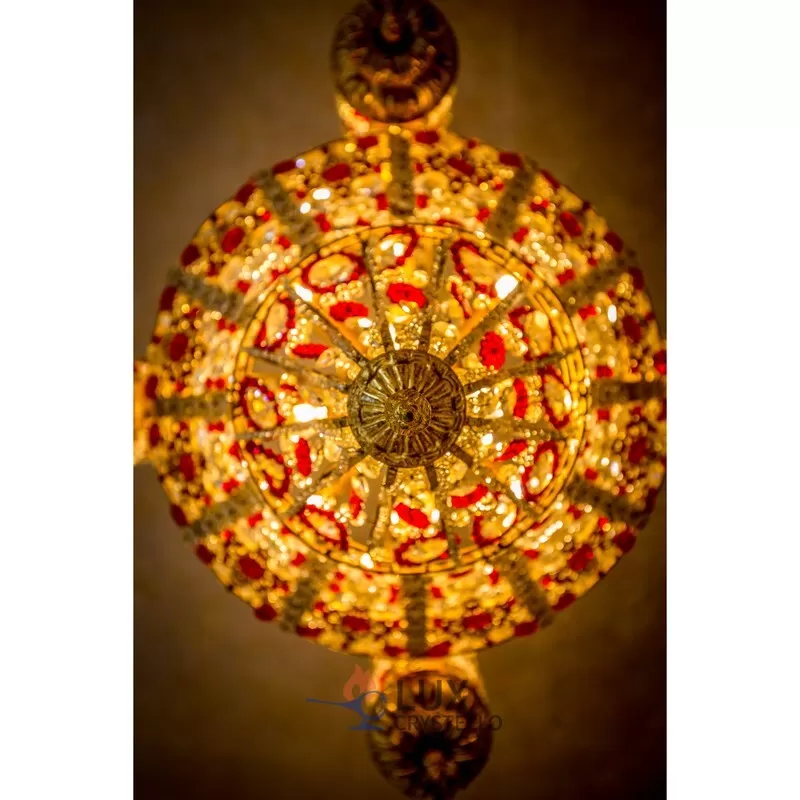

lighting-maintenance.jpg

It is important to avoid over-cleaning. In many cases, stabilizing the surface is preferable to restoring a bright finish. Knowing how to clean brass lamps also includes understanding when not to clean aggressively. In long-term lighting maintenance plans, documenting the original finish specification helps guide future care decisions.

Why Consistency Matters in Lighting Projects


In multi-fixture installations, inconsistent brass cleaning leads to visible variation between pieces. This is especially noticeable in corridors, open spaces, or custom lighting collections. Establishing a unified care approach ensures visual harmony over time.

Designers and facility managers often integrate brass cleaning into broader lighting maintenance schedules. This approach reduces emergency interventions and extends the service life of fixtures without altering their intended appearance.

Conclusion


brass cleaning is not a cosmetic afterthought but a material-sensitive process that supports durability, consistency, and design intent. When approached with restraint and understanding, it protects both the surface and the story that brass lighting brings to a space.

Extending the Life of Brass Lighting with Informed Care


Thoughtful brass cleaning practices contribute to sustainable lighting maintenance and preserve the original character of each fixture. For projects that prioritize material authenticity and long-term value, informed care strategies make a measurable difference over time.

FAQ

What makes brass cleaning unique?
Excellent brass cleaning combines superior craftsmanship, attention to detail, and functional design to create an exceptional experience.

How can I enhance my lighting maintenance?
To enhance your lighting maintenance, focus on quality materials, proper maintenance, and complementary accessories that match your style.

What are the key considerations for how to clean brass lamps?
Key considerations include material quality, design aesthetics, functional performance, and overall durability when evaluating how to clean brass lamps.

If you are interested in French lamps or bronze art or have related needs,
please feel free to contact us. click here

Contact Our Design Team


Telephone

400-123-4567
138-0000-0000

We use cookie to improve your online experience. By continuing to browse this website, you agree to our use of cookie.

Cookies

Please read our Terms and Conditions and this Policy before accessing or using our Services. If you cannot agree with this Policy or the Terms and Conditions, please do not access or use our Services. If you are located in a jurisdiction outside the European Economic Area, by using our Services, you accept the Terms and Conditions and accept our privacy practices described in this Policy.
We may modify this Policy at any time, without prior notice, and changes may apply to any Personal Information we already hold about you, as well as any new Personal Information collected after the Policy is modified. If we make changes, we will notify you by revising the date at the top of this Policy. We will provide you with advanced notice if we make any material changes to how we collect, use or disclose your Personal Information that impact your rights under this Policy. If you are located in a jurisdiction other than the European Economic Area, the United Kingdom or Switzerland (collectively “European Countries”), your continued access or use of our Services after receiving the notice of changes, constitutes your acknowledgement that you accept the updated Policy. In addition, we may provide you with real time disclosures or additional information about the Personal Information handling practices of specific parts of our Services. Such notices may supplement this Policy or provide you with additional choices about how we process your Personal Information.


Cookies

Cookies are small text files stored on your device when you access most Websites on the internet or open certain emails. Among other things, Cookies allow a Website to recognize your device and remember if you've been to the Website before. Examples of information collected by Cookies include your browser type and the address of the Website from which you arrived at our Website as well as IP address and clickstream behavior (that is the pages you view and the links you click).We use the term cookie to refer to Cookies and technologies that perform a similar function to Cookies (e.g., tags, pixels, web beacons, etc.). Cookies can be read by the originating Website on each subsequent visit and by any other Website that recognizes the cookie. The Website uses Cookies in order to make the Website easier to use, to support a better user experience, including the provision of information and functionality to you, as well as to provide us with information about how the Website is used so that we can make sure it is as up to date, relevant, and error free as we can. Cookies on the Website We use Cookies to personalize your experience when you visit the Site, uniquely identify your computer for security purposes, and enable us and our third-party service providers to serve ads on our behalf across the internet.

We classify Cookies in the following categories:
 ●  Strictly Necessary Cookies
 ●  Performance Cookies
 ●  Functional Cookies
 ●  Targeting Cookies


Cookie List
A cookie is a small piece of data (text file) that a website – when visited by a user – asks your browser to store on your device in order to remember information about you, such as your language preference or login information. Those cookies are set by us and called first-party cookies. We also use third-party cookies – which are cookies from a domain different than the domain of the website you are visiting – for our advertising and marketing efforts. More specifically, we use cookies and other tracking technologies for the following purposes:

Strictly Necessary Cookies
These cookies are necessary for the website to function and cannot be switched off in our systems. They are usually only set in response to actions made by you which amount to a request for services, such as setting your privacy preferences, logging in or filling in forms. You can set your browser to block or alert you about these cookies, but some parts of the site will not then work. These cookies do not store any personally identifiable information.

Functional Cookies
These cookies enable the website to provide enhanced functionality and personalisation. They may be set by us or by third party providers whose services we have added to our pages. If you do not allow these cookies then some or all of these services may not function properly.

Performance Cookies
These cookies allow us to count visits and traffic sources so we can measure and improve the performance of our site. They help us to know which pages are the most and least popular and see how visitors move around the site. All information these cookies collect is aggregated and therefore anonymous. If you do not allow these cookies we will not know when you have visited our site, and will not be able to monitor its performance.

Targeting Cookies
These cookies may be set through our site by our advertising partners. They may be used by those companies to build a profile of your interests and show you relevant adverts on other sites. They do not store directly personal information, but are based on uniquely identifying your browser and internet device. If you do not allow these cookies, you will experience less targeted advertising.

How To Turn Off Cookies
You can choose to restrict or block Cookies through your browser settings at any time. Please note that certain Cookies may be set as soon as you visit the Website, but you can remove them using your browser settings. However, please be aware that restricting or blocking Cookies set on the Website may impact the functionality or performance of the Website or prevent you from using certain services provided through the Website. It will also affect our ability to update the Website to cater for user preferences and improve performance. Cookies within Mobile Applications

We only use Strictly Necessary Cookies on our mobile applications. These Cookies are critical to the functionality of our applications, so if you block or delete these Cookies you may not be able to use the application. These Cookies are not shared with any other application on your mobile device. We never use the Cookies from the mobile application to store personal information about you.

If you have questions or concerns regarding any information in this Privacy Policy, please contact us by email at . You can also contact us via our customer service at our Site.