



 Telephone : 400-123-4567
Blogpost keywords: brass and glass ceiling light, brass and glass ceiling fixture, brass glass flush mount light
A brass and glass ceiling light strikes a refined balance between decorative presence and everyday functionality. By combining the warmth of brass with the light-diffusing properties of glass, this category has become a dependable choice for both residential and commercial interiors. For professional buyers and distributors, these fixtures sit comfortably between purely decorative lighting and purely utilitarian solutions, making them easier to position across multiple market segments.
Unlike large chandeliers that demand generous ceiling height, brass and glass ceiling lights are designed for adaptability. They suit compact rooms, transitional layouts, and projects where visual refinement is required without overwhelming the space. This versatility explains their stable performance in long-term B2B sourcing programs.
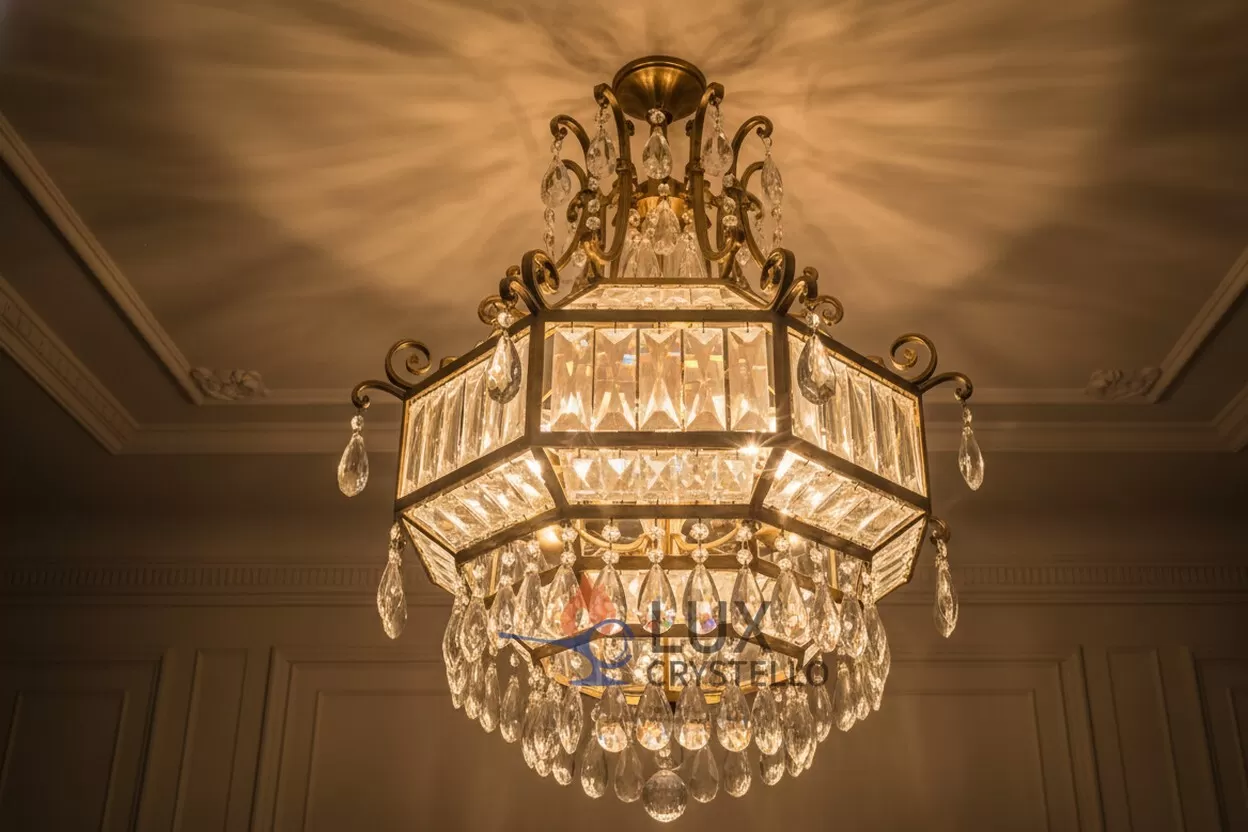
What Defines a Brass and Glass Ceiling Light in Contemporary Design
In modern interiors, a brass and glass ceiling light is defined by controlled proportions and material contrast rather than ornamentation. Brass elements usually form the structural foundation—canopy, frame, or trim—while glass shades soften illumination and shape the fixture's overall character.
Designs typically feature clear, frosted, or lightly textured glass paired with brushed or satin brass finishes. This restrained combination allows the fixture to integrate naturally with varied interior styles, from modern residential spaces to boutique hospitality environments. Rather than acting as a focal statement, the light contributes to atmosphere and visual balance.
For B2B buyers, this definition supports clear positioning. These products are often specified as brass and glass ceiling fixture solutions within layered lighting plans, working alongside wall lamps and accent lighting rather than replacing them.
Key Advantages for Residential and Commercial Applications
One of the main strengths of a brass glass flush mount light is spatial efficiency. Flush and semi-flush profiles make effective use of ceiling space, particularly in apartments, corridors, and guest rooms where ceiling height is limited.
Visually, brass introduces warmth and perceived quality, while glass ensures even light distribution without harsh glare. This balance suits high-traffic environments such as hotels, serviced apartments, and retail interiors, where lighting must feel inviting and perform reliably over time.
Commercial buyers also value consistency. Once a brass and glass ceiling light is approved, it can be specified repeatedly across multiple rooms or locations, simplifying procurement and supporting predictable reordering cycles.
Application Scenarios and Styling Contexts
A brass and glass ceiling fixture is commonly used in bedrooms, hallways, kitchens, and bathrooms where ambient lighting is essential. In residential projects, these fixtures maintain a clean ceiling profile while adding subtle visual interest through material contrast.
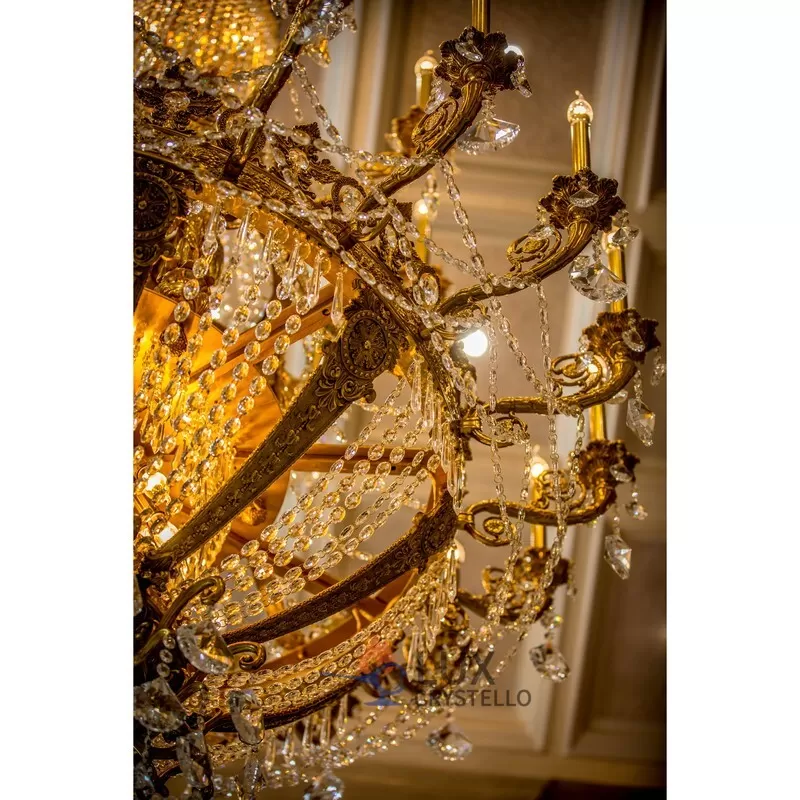
In hospitality environments, brass-accented glass ceiling lights are frequently specified in guest rooms, corridors, and lounge areas. Combined with wall lamps and table lamps, they help create layered lighting schemes that feel intentional and comfortable.
Stylistically, these fixtures perform well in interiors built around neutral palettes, natural materials, and soft contrasts. This makes them a reliable component within broader modern ceiling lighting collections aimed at international markets.
Quality, Construction, and Sourcing Considerations
When sourcing a brass and glass ceiling light, construction quality deserves close attention. Glass thickness, edge finishing, and fit tolerance all influence durability and perceived value. Poor alignment or loose fitting can lead to vibration or long-term maintenance issues.
Brass components may be solid brass or brass-finished metal depending on cost positioning. For multi-unit projects, finish consistency and coating stability are more critical than material purity alone. Buyers typically expect general compliance readiness, including CE or UL-related electrical standards, based on destination markets.
Packaging is equally important. Reinforced cartons, internal supports, and protective materials reduce the risk of glass damage during international transport. Clear communication on MOQ, lead times, and customization options—such as glass type or finish tone—supports smoother bulk procurement.
Conclusion
A brass and glass ceiling light offers a dependable balance of aesthetic refinement and functional performance. Its adaptability across room types and interior styles makes it a practical choice for both project specifications and ongoing product ranges.
As demand continues for warm metals and soft, comfortable lighting, this category maintains relevance across residential and commercial markets when supported by consistent construction and controlled finishing.
Build a Consistent Brass and Glass Ceiling Lighting Program
For distributors and project buyers, long-term success depends on repeatability. Clear finish benchmarks, verified glass quality, and export-ready packaging form the foundation of reliable supply. Whether selecting standard models or developing brass glass flush mount light options with tailored glass and finish details, a structured brass and glass ceiling light program supports stable rollouts and efficient reorders across modern interior projects.
400-123-4567
138-0000-0000