



 Telephone : 400-123-4567
Blogpost keywords: antique brass finish manufacturing, brass surface engraving, vintage metal texture
Antique brass finish manufacturing defines how modern metal products achieve historical depth while meeting contemporary performance standards. In lighting, hardware, and decorative components, this approach is valued for its ability to convey age and character without sacrificing structural reliability. Rather than relying on superficial coatings, antique brass finishes interact directly with the base metal, producing surfaces that evolve naturally over time.
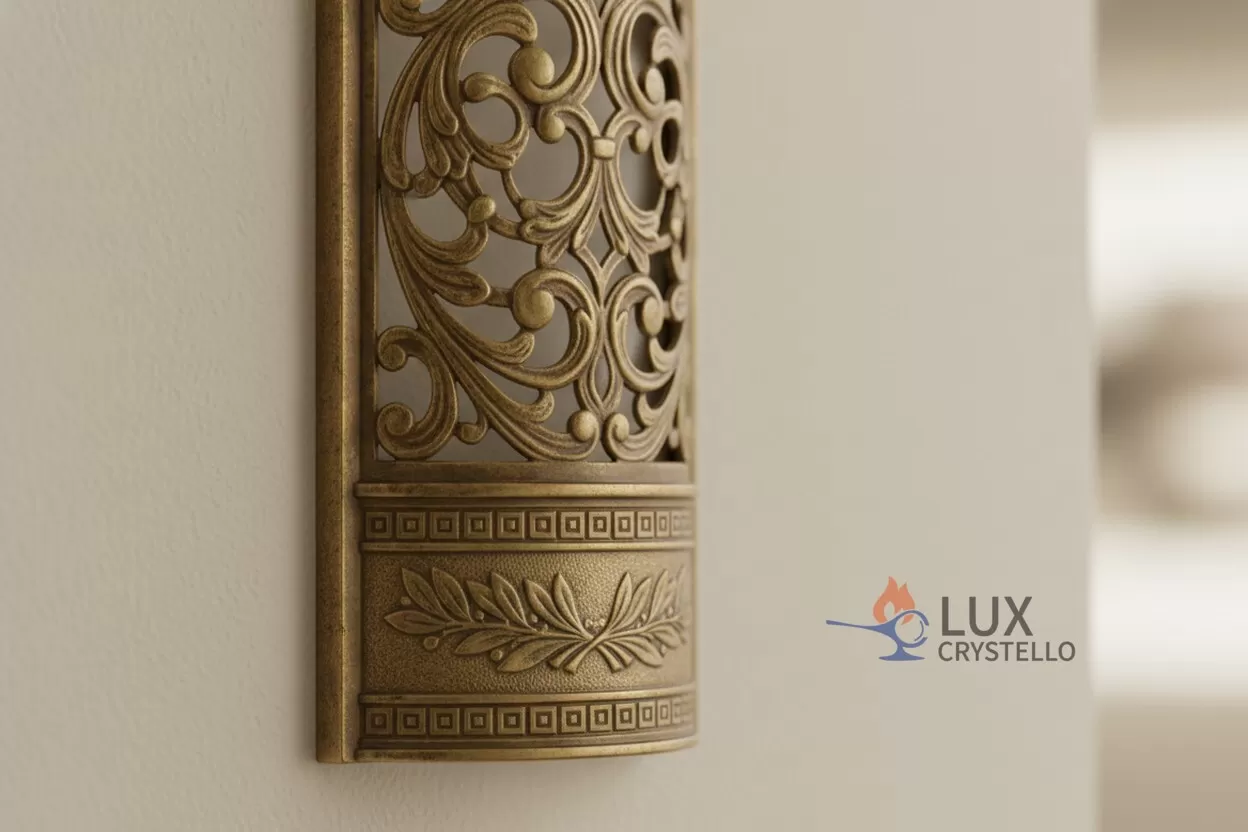
For commercial buyers and designers, understanding the production logic behind these finishes is essential. Decisions are no longer driven by appearance alone but by how a finish supports branding, longevity, and consistency across large scale projects.
The Role of Antique Brass Finish Manufacturing in Surface Identity
Antique brass finish manufacturing begins with precise preparation of the raw brass substrate. Surface uniformity is critical, especially when decorative detailing such as brass surface engraving is involved. Engraved patterns must remain crisp and legible after finishing, which requires careful control of chemical exposure and abrasion during processing.
The development of a vintage metal texture is another defining outcome of this manufacturing approach. Through controlled oxidation and aging techniques, subtle tonal variation is introduced without compromising surface stability. This texture gives components visual depth, helping them integrate seamlessly into traditional and transitional interiors.
To preserve these characteristics, sealing methods are selected based on use case. A properly sealed finish protects engraved details while allowing the metal to maintain its tactile quality, which is especially important in high-touch applications.
Practical Applications Across Design and Manufacturing
In real world settings, antique brass finishes are commonly specified for hospitality lighting, residential hardware, and heritage inspired furniture. Brass surface engraving is often used on visible components such as switch plates or decorative trims, where detail contributes to perceived value. The finish enhances these details rather than obscuring them.
A well developed vintage metal texture also serves a practical function. It reduces the visibility of fingerprints and minor scratches, making it suitable for environments with frequent handling. This balance of aesthetics and usability is a key reason antique brass remains relevant in modern projects.
Common Misunderstandings and Quality Risks
One frequent misconception is that all aged brass finishes are equivalent. In reality, antique brass finish manufacturing requires disciplined process control to avoid uneven coloration or weakened surface layers. Without this control, engraved areas may lose definition, and the intended vintage metal texture can appear artificial.
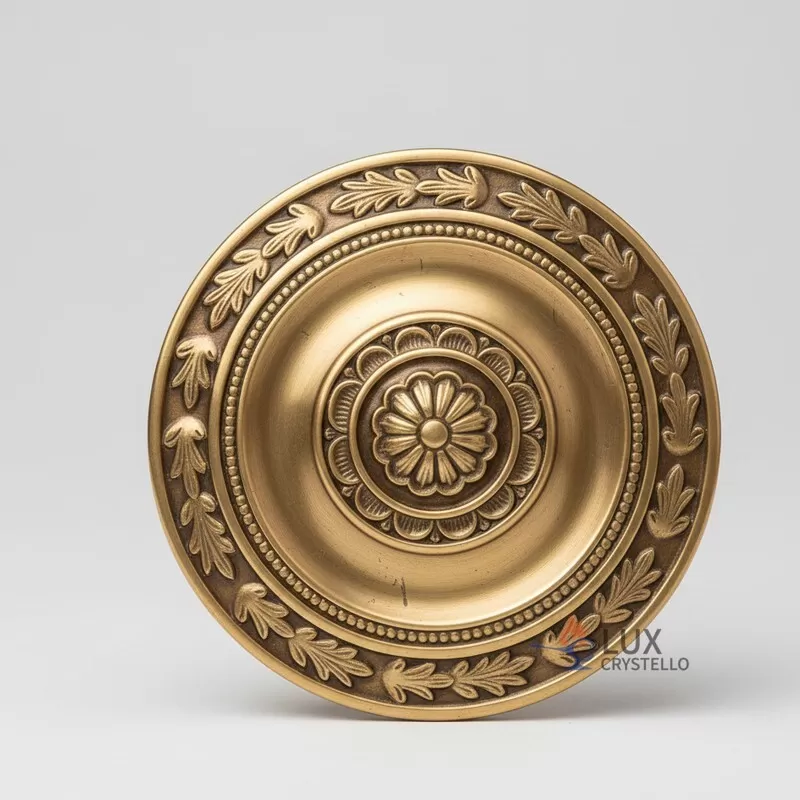
Another risk lies in overprocessing. Excessive chemical treatment can flatten tonal variation, resulting in a dull appearance that lacks depth. Manufacturers with experience understand how to stop the process at the right moment to preserve material integrity.
Evaluating Long Term Performance
From a procurement perspective, antique brass finish manufacturing should be evaluated based on repeatability and documentation. Consistent outcomes across batches indicate that both surface preparation and finishing parameters are well managed. This is particularly important when brass surface engraving is part of the design specification.
When executed correctly, the resulting vintage metal texture ages predictably, developing character rather than degrading. This supports long term value in both commercial and residential installations.
Conclusion
Antique brass finish manufacturing offers a reliable pathway to achieving authentic visual depth combined with functional durability. By respecting the interaction between metal, engraving, and surface development, manufacturers can deliver finishes that remain relevant and stable over time.
Extending Material Decisions with Confidence
For projects that demand character without compromising performance, antique brass finish manufacturing provides a balanced solution. Evaluating finishing expertise alongside design requirements can help ensure that surface quality aligns with both aesthetic goals and long term use expectations.
400-123-4567
138-0000-0000