



 Telephone : 400-123-4567
A lost wax copper table lamp sits at the intersection of traditional metal craftsmanship and modern decorative lighting demand. Unlike mass-produced lamps, this category emphasizes material integrity, sculptural detail, and long-term durability—qualities increasingly valued by professional buyers serving premium residential, hospitality, and boutique retail markets.
For B2B buyers and distributors, understanding how lost wax casting shapes both aesthetics and performance is essential. It influences not only visual appeal, but also sourcing decisions, pricing logic, and how a lost wax copper lamp fits into a curated lighting collection designed for repeat ordering.
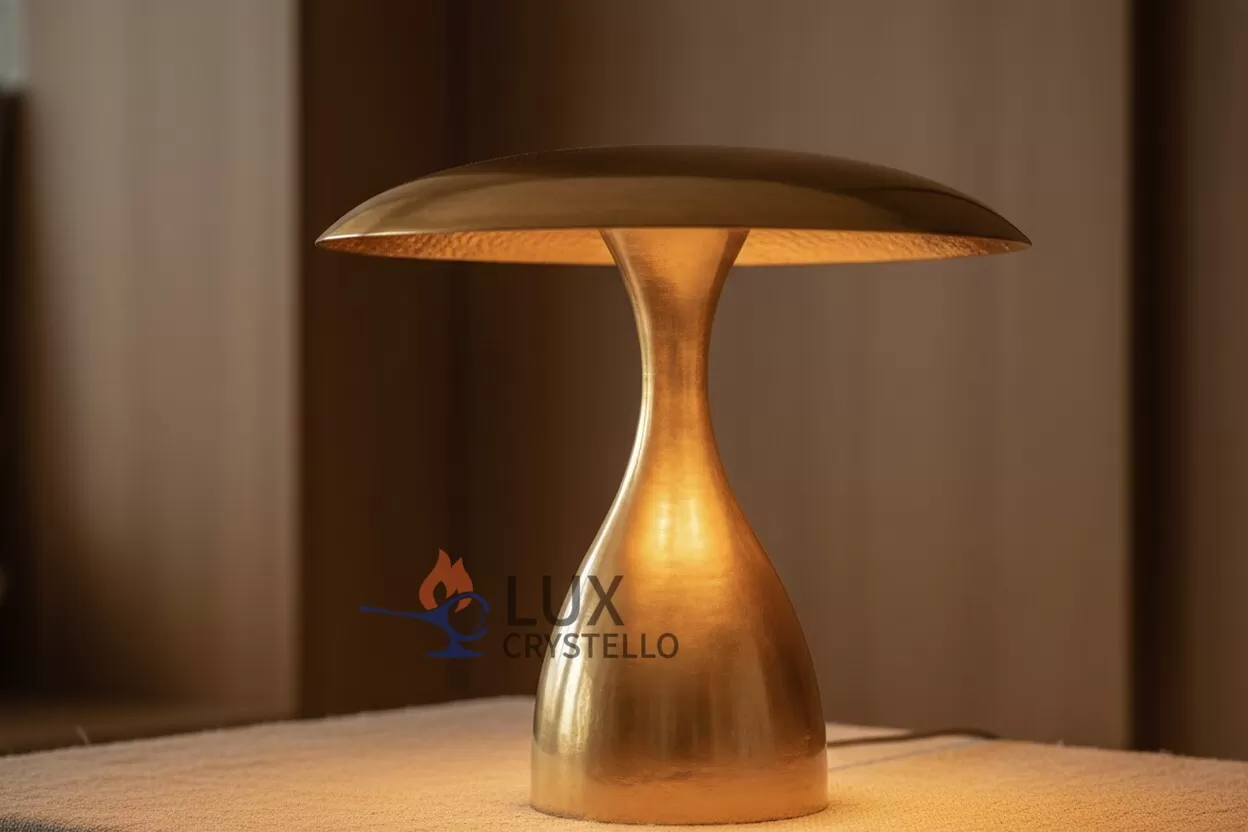
What a Lost Wax Copper Table Lamp Is and How It Is Made
A lost wax copper table lamp is produced using the investment casting process, where each metal component begins as a wax model. This wax form is coated with a ceramic shell, then heated so the wax melts away, leaving a precise mold. Molten copper or copper alloy is poured into the cavity, creating solid, seamless components once cooled.
Compared with fabricated or stamped alternatives, a lost wax copper lamp typically features fewer joints and smoother transitions between elements. Lamp bases, stems, and decorative accents can be cast as single pieces, improving both visual continuity and structural integrity.
For B2B sourcing, this process balances artisanal character with production control. Each hand cast copper table lamp retains subtle individuality while allowing controlled repetition—an important advantage for buyers managing bulk orders or multi-location projects.
Why Lost Wax Casting Matters for Copper Table Lamp Quality
Lost wax casting plays a direct role in both perceived and functional quality. A hand cast copper table lamp often feels heavier and more substantial, signaling durability and value to end customers. Thicker cast walls help resist dents and deformation, which is particularly important in hospitality or high-traffic environments.
Detail reproduction is another advantage. Fine textures, soft curves, and sculptural profiles are easier to achieve through lost wax casting than through welded assemblies. This makes a lost wax copper lamp well suited for artisanal lighting programs or French-inspired interiors where subtle detail matters.
From a finishing perspective, cast copper surfaces accept patinas, antiqued effects, and brushed treatments evenly. This allows buyers to specify finishes that align with broader décor themes while maintaining consistency across batches of hand cast copper table lamp production.
Where Lost Wax Copper Table Lamps Perform Best in Commercial Settings
In commercial environments, a lost wax copper table lamp is often used as an accent rather than purely functional lighting. Boutique hotels place them on bedside tables or consoles to reinforce a curated, handcrafted atmosphere. High-end residential projects value their tactile presence and visual weight.
Retailers and distributors frequently position a lost wax copper lamp within premium or artisanal décor segments, where storytelling around craftsmanship supports higher perceived value. These lamps also pair naturally with linen shades, wood furniture, and stone surfaces, strengthening overall presentation.
Because of their solid construction, many hand cast copper table lamp designs are suitable for contract use when assembled with compliant electrical components and aligned with general safety expectations such as CE or UL-related standards.
Key Considerations When Sourcing Lost Wax Copper Table Lamps
When sourcing a lost wax copper table lamp, professional buyers should evaluate more than appearance alone. Consistency in casting quality, finish tone, and assembly tolerance is critical for maintaining a reliable product line. It is also important to understand how suppliers manage surface variations inherent in handcrafted processes.
Lead times may be longer than for standard lamps, as mold preparation and casting cycles require additional time. Clear communication around production schedules, packaging methods, and batch controls helps buyers plan effectively when scaling a lost wax copper lamp program.
For distributors, working with manufacturers experienced in both artisanal lighting and export logistics supports smoother growth. This experience is especially valuable when expanding a hand cast copper table lamp range across multiple markets.
400-123-4567
138-0000-0000